RBI's new payment security rules: a 12-hour wait after you change your number

Since 5 November 2026, payment companies regulated by the RBI (outside banks) must report a cyberattack or fraud within 6 hours, and block online payments for at least 12 hours after you change the mobile number or email on a payment account. Large and medium firms must comply now. Small ones have until 1 April 2028.
Both sides
On 5 November 2026, the Reserve Bank of India (RBI) issued one cyber rulebook for non-bank payment companies, such as NPCI (the body behind UPI), card networks and payment aggregators (the firms that let online shops take payments)[1][2].
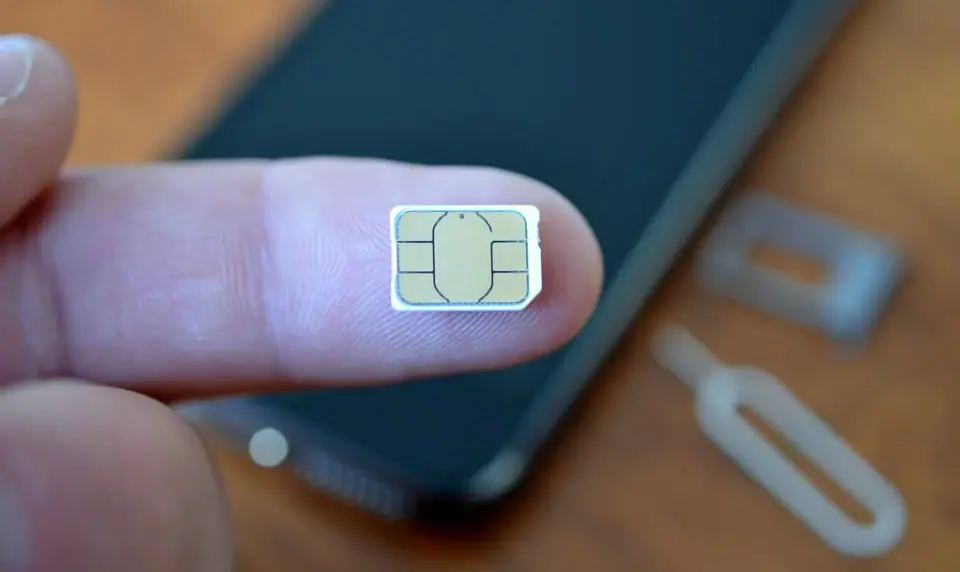
Change the mobile number or email on a payment account and, under the new rules, online payments stay blocked for at least 12 hours. Image: smjbk, CC BY 2.0, via Flickr.
The headline is speed. A company must tell the RBI about a cyberattack, a major outage, internal fraud or a settlement delay within 6 hours of spotting it[2][3]. Reports differ on the deadline for telling CERT-In, the government's cyber response team, so treat that as unconfirmed[2].
Most rules that touch you stop account takeover. After you change the mobile number or email on a payment instrument, online payments stay blocked for at least 12 hours[1][3]. So a thief who swaps your SIM cannot spend at once. But you cannot either, so change your number a day before a big supplier payment.
Apps must also be tied to your phone and SIM, and alerts must show the merchant's name, not the gateway's[3].
Now the other side. These rules bind payment companies, not ordinary banks, and small firms have until 1 April 2028[1][2]. Some details are still unclear, such as how long an app can sit unused before it must be re-bound[1].
What to do: report any payment you did not make straight away. Fraud also still reaches staff by chat, as in the WhatsApp boss scam, and courts are pushing banks on refunds in digital arrest cases.
Sources
Quote this answer on your site
Free to quote with the link. Copy this HTML:
Cite this: “RBI's new payment security rules: a 12-hour wait after you change your number.” Cybe Blog, 16 Nov 2026, updated 27 Nov 2026. https://cybe.blog/p/rbi-payment-security-rules-12-hour-cooling-period-6-hour-reporting-what-changes How to cite
How this answer was made: researched and drafted with AI assistance from the sources above, reviewed by Sai Dharshan S, and checked against our editorial policy. Spotted an error? Tell us.
Cybe Blog is made by CyberFreezeDev, an AI consultancy and generative AI studio in Chennai, India. Work with CyberFreezeDev